O”REWITALIZACJI” Śródmieścia Łodzi

O rewitalizacji Śródmieścia…
Albo może powinnam to nazwać w trosce o mieszkańców “rewitalizowanej” dzielnicy. Uzupełnijcie sobie cudzysłowy proszę sami, nie mam cierpliwości, ile można walić głową w ścianę.
Taki nieduży zbiór cytatów, wystarczy sobie zestawić kilka informacji żeby uzyskać obraz dla którego interpretacji nie trzeba wiedzy ani dojrzałości powyżej poziomu 4 klasy szkoły podstawowej. W zasadzie każdy wniosek który się nasuwa nosi znamiona: banału, frazesu, komunału, oczywistości, uzupełnijcie sobie proszę listę synonimów słowa truizm sami.

Po pierwsze, jak donosi Dziennik Łódzki, na wczorajsze Mikołajki: “Mieszkańcy Łodzi oddychają pyłami niszczącymi płuca i powodującymi raka” – artykuł na podstawie szczegółowego raportu WIOŚ. Dane podane w tymże raporcie są bardzo alarmujące.

Po drugie władze miasta Łodzi planują budowę “Orientarium” na Zdrowiu, kosztem 3.5 ha gęsto zadrzewionego terenu (oraz 300 mln złotych). Dodam że 10m2 lasu (gęstego parku) wytwarza w sezonie ilość tlenu pokrywającą roczne zapotrzebowanie 10 osób. Zagadka: ile osób może odddychać dzięki trzem hektarom Parku na Zdrowiu, które są przeznaczone do wycinki. Dla mniej wtajemniczonych – Park na Zdrowiu, który został utworzony poprzez zachowanie niezniszczonego fragmentu lasu wcześniej porastającego te tereny, dzięki gęstemu zadrzewieniu i dużej powierzchni, a także z racji lokalizacji, stanowi wciąż rezerwuar tlenu dla obszarów centralnych miasta – Starego Polesia i dalej Śródmieścia, oraz dla sąsiadującej z nim bezpośrednio Retkinii. Jest też elementem systemu przyrodniczego miasta, o ile nadal o takowym da się w ogóle mówić, może należałoby powiedzieć że kilka lat temu jeszcze był tegoż systemu elementem.

0d78d64c52be74cab5076d16dd2fbfb1

Zdjęcie “orientarium z lotu ptaka – wyraźnie widać skalę obiektu oraz udział terenów utwardzonych, tak to jest ca 3,5 ha (wyliczenie przez T. Bużałek). Żródło obrazka – artykuł linkowany powyżej.

Po trzecie jedyne planowane działanie dla ograniczenia zanieczyszczenia to zakaz przejazdu przez miasto tirów (które nota bene właśnie wpuszczono do Śródmieścia) , który zostanie wprowadzony w życie … po wybudowaniu autostrady. Konsultowany jest ponadto program rozwoju transportu publicznego, jednakże nie towarzyszą temu żadne działania edukacyjne w zakresie przybliżenia tematyki zrównoważonego transportu, ani popularyzacji transportu pieszego i rowerowego.

Acha, jeszcze analizator do pomiarów benzenu w stacji przy Gdańskiej 16 wziął się popsuł (to chyba z nadmiaru szczęścia?)

Podobno planuje się rewitalizację Śródmieścia Łodzi.

W moim skromnym rozumieniu rewitalizacja tożsama jest z obecnością ludzi (ŻYWYCH LUDZI ?). Jeśli nie planuje się w obszarze Śródmieścia obecności ludzi w ogóle to nie ma sensu rozmawiać o rozwiązywaniu problemów społecznych, gentryfikacji i innych bardziej szczegółowych problemach, w tym zakresie polityka “rewitalizacyjna” miasta wydaje się nad wyraz spójna.

Całkiem nie pasuje jednak w tym obrazku plan powiększenia zoo, a w szczególności przeznaczona na ten cel kwota, nawet jeśli w budżecie na rok przyszły jest to ułamek na prace przygotowawcze inwestycji. Przyznam że zamiast oglądać wizualizacje zwierząt w akwariach w planowanym Orientarium wolałabym się dowiedzieć że planowane na ten cel docelowo 300 mln złotych władze miasta przeznaczą na podłączenie iluś kamienic w Sródmieściu do sieci centralnego ogrzewania/ modernizację pieców, etc, w celu redukcji obecnego zanieczyszczenia. Truizmem jest twierdzenie że istnieje coś takiego jak hierarchia potrzeb.

Abstrahując od rewitalizacji przy braku troski o środowisko w centralnej części miasta wszelkie podejmowane tam inwestycje można uznać za chybione. Przyznam, że jakoś nie umiem sobie wyobrazić tłumów inwestorów w kolejce do Nowego Centrum Łodzi, nieważne czy będziemy rozmawiać o biurach czy też o mieszkaniach, jeśli nie będzie tu czym oddychać. Bardzo mocno zanieczyszczone powietrze to jest bardzo zła reklama każdej inwestycji – co oczywiście też jest truizmem.
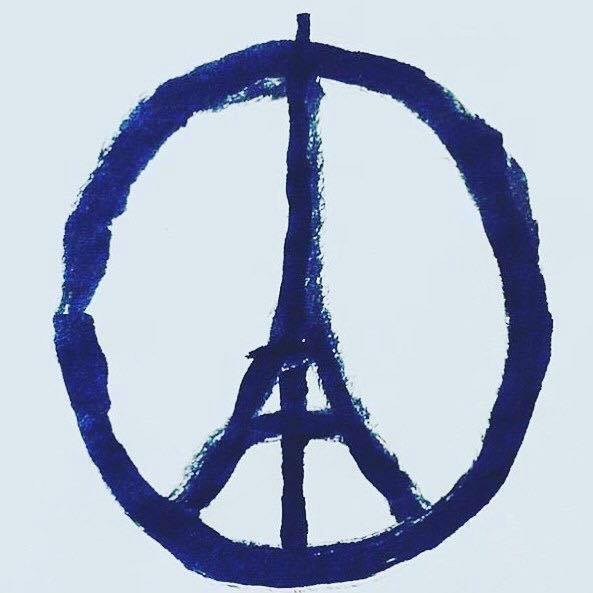
What should come after Paris?

12219537_10206981918319338_4963303265470768049_nThe creator of the drawing is a French artist ‎ #JeanJullien‬
The compassion towards the victims is a feeling which we all share. Our deepest emotions go to the families and friends of those who were killed, we want to express our desire to help. We talk about the need of strength  and the perseverance to overcome the difficult times. All this spreads and slowly we start realising that even if it is the easiest for us to imagine the situation of citizens of the Western and well admired city, like Paris, the war has been started elsewhere. The tragedies of people happen each day, and without eliminating the reasons the consequences may spread even further.

Apart of the political situation which will for sure get its in-depth analyses lots of tensions result from the worsening environmental conditions of regions where current conflicts take place. This environmental danger which rapidly raises as a a follow up of the unpredictable changes in climate conditions makes people fight for shrinking resources. 2015 is to become the first year to crack the halfway mark of 2°C warming, the benchmark that’s been targeted as “safe” climate change.
“A new World Bank report shows that climate change is an acute threat to poorer people across the world, with the power to push more than 100 million people back into poverty over the next fifteen years.  And the poorest regions of the world – Sub-Saharan Africa and South Asia – will be hit the hardest.”

Isn’t this part of the problem? We may only consider such questions rhetorical.

I do hope that the Paris climate talks will succeed in global agreement, also now when the dangers of the consequences of the ongoing changes have suddenly become explicit in so said and regrettable way. The Western world is not really able to remain safe, while horrible things happen elsewhere.

PS. The title is a paraphrase of the one in The NY Times. Don’t you think we should look for solutions and eliminate reasons, not only fight the consequences in the less or more concerted way?

SMOG

smog

We have recently experienced very heavy smog in all the major cities in Poland. In Kraków area, for example, the concentration of PM10 in Nowa Huta exceeded the norm 1200 times, but also the situation in the downtown was very dangerous. Similarly Wrocław, Warsaw and Silesia went through problematic time. Also in Lodz the norms were not kept, the dirt in air was noticeable with blind eye, not mentioning the measure results.

There have been several reasons for this. First of all as it is getting cold the heating season started. Still in many old tenements people use coal as the major fuel, it happens also that some pour families burn rubbish. Second, there are more and more cars in streets. All the former citizens who moved to the suburbs now come back bringing their children to schools and kindergartens, or they just come daily to work. During warmer months some of these people rode their bikes to commute, now as it is getting colder they have switched back to cars. The lack of planning and exaggerated supply of land for construction purposes without proper thinking on the possibilities to serve them with transportation services afterwards, creates huge need for individual solutions. There are no strict norms on cars’ environment friendly exhaust systems. We are probably the largest market in Europe for the used old cars. There are no norms on the fuel quality. Yet not so long ago some municipalities preferred buying coal heaters instead of gas ones because the only requirement they had to fulfil was prize. The current situation is the direct consequence of these deficiencies of legal regulations. Even if very recently the new antismog law has been approved there are still no detailed regulations how to make it work.

All major newspapers write alarming articles but still the discussion shows that there are quite many people who do not see any need for change. They are not affected personally, their families safe from pollution in the suburbs. They come to the town only for few hours a day, park their cars, head towards work and afterwards flee to their refuge. At the same time, we the citizens who want our cities to remain were they are, who do not want to spend larger portions of our days stuck in cars, who want our children to have friends nearby and who simply love living in downtowns or also those of us who cannot afford moving out for various reasons, we must breathe this dirty air, experience cough, stay sick, help our elderly families and care for children when sick, and constantly clean.

Possibly we need more low cost detectors, like in the case discussed by the scientists from the University of Cambridge (below)? Maybe we should engage yet more as activists to fight for clean air to balance the voice of those who are not able to understand that their daily routines affect others? What else may be done? Another solution is just to flee as well.