Co kraj to obyczaj

Pozwólcie, że zacytuję kilka fragmentów z książki do której z racji pracy naukowej po latach zdarzyło mi się wrócić. Otóż już w 1744 istniała w Polsce świadomość, która współcześnie nie istnieje, za M. Bogucka i H. Samsonowicz (Dzieje miast i mieszczaństwa w Polsce przedrozbiorowej, 1986): “Sejm ten (w 1744) (…) zezwolił miastom stołecznym województw i ziem na przejmo­wanie pustych placów i opuszczonych, dłużej niż przez 60 lat, domów; podjęto również dzięki marszałkowi F. Bielińskiemu postanowienie o elimi­nacji drewnianej zabudowy ze śródmieścia Warszawy.”
(Porównaj obecne prawodawstwo w Brazylii, a propos korzystania z nieruchomości.)

Równie ciekawe i nietracące na aktualności są dalsze obserwacje, przykładowo ten urywek z listu posła pruskiego Girolamo Lucchesini’ego z 5 grudnia 1769 r. do Fryderyka II na temat sytuacji w Polsce i własnych starań podburzających przeciw mieszczanom (Dekertowi i innym): „Chroniąc się jawnego wystąpienia staram się po cichu przeszkadzać mieszczanom. Ucisk, w którym szlachta polska utrzymywała dotychczas klasę miejską (a w niej najwięcej jest Niemców), nie zachęcał nikogo do przybywania tutaj z zagranicy i wstrzymywał zakła­danie fabryk. Lecz gdyby ta klasa przyszła do udziału w administracji kraju, mogłoby to wielu mieszczan zagranicznych sprowadzić do Polski, a nadto przy­kład ten stałby się zaraźliwym dla państw sąsiednich”. Król pruski pochwa­lił te poczynania: „Dobrze robisz — odpisał — że nieznacznie i po kryjomu przeszkadzasz. Bo w rzeczy samej, jeśliby udało się miastom polskim odzyskać dawne przywileje, to by fabrykanci z moich państw zaczęli przenosić się do Polski” (ibid.)

W ogóle boje mieszczan w Polsce (które kontynuujemy przecież obecnie, porównaj Kongres Ruchów Miejskich, ruchy miejskie jako takie) mają wieloletnią bardzo tradycję, poczytajcie sobie co pisał Dekert w XVII wieku i jakie to aktualne: “Zgryziony przeciwnościami i schorowany Dekert w przeddzień swego zgonu (zmarł 4 IV 1790) przesłał Małachowskiemu alarmujący list, w którym pisał: „Mówią powszechnie, że kogo Pan Bóg chce karać, tego zaślepi. Daj Boże, aby Rzeczpospolita nie znalazła się nigdy w takowym przypadku. Ale zdaje się, że nie chce wiedzieć, iż stan jej teraźniejszy powinien by ją uczynić bardziej względną dla mieszczan… Jeżeli Rzeczpospolita szlachecka będzie chciała zawsze trzymać mieszczan w tak zbytecznym upodleniu, jak teraz, to też długość cierpienia pomnoży w mieszczanach tkliwość bolesnego uczucia. Daj Boże, żebym był fałszywym prorokiem i żeby desperacja nie zapędziła mieszczan do wymagania kiedyś daleko więcej nad to, o co teraz pokornie tylko proszą… Daj Boże, aby nie spotkało to was przez rozpacz, co spotkało szlachtę francuską od zapędów ludu zbyt uciśnionego, i żeby się nie spełniło owo słowo Boże, że ten będzie poniżony, kto się wywyższa. JW Marszałku! Pozwól mi jeszcze przy schyłku życia wynurzyć ten żal, którego doznałem, słysząc o zmartwieniach, które Ci zadają źli ludzie; niech Ci to żadnej nie czyni impresji, głos ich ujdzie z wiatrem. Ci to są sami, których niełaska tak duszę moją ścisnęła, żem się z żalu choroby, a teraz już i bliskiej śmierci doczekał… a nie dbając już o łaskę ludzką, duszę moją Bogu i Twojej pamięci oddaję, a obowiązki wstawiania się za ludem miejskim podjęte w poczciwe serce Twoje przelewam” (ibid).
Rewitalizacja po łódzku (ludzku)

Nieustanny temat śmichów i chichów, wymieniony w tytule, nadal pozostaje źródłem niczym niehamowanej radości, tyleż powściągliwej co rozpaczliwej trochę. Otóż właśnie Urząd Miasta Łodzi rozpoczął, a Gazeta Wyborcza dumnie doniosła o tychże działaniach, akcję mającą na celu doprowadzenie do normalności jeśli chodzi o regulowanie czynszów z mieszkań pozostających własnością miejską. Pozostawiając na boku sposób informowania przez rzeczoną lokalną prasę o tychże działaniach, zakres generalizacji oraz zgodność ze stanem faktycznym, zdrowym rozsądkiem, etc, same działania i sposób ich prowadzenia też budzą rozmaite wątpliwości. Zacznę może od punktu numer jeden, otóż jak czytamy na łamach GW “Wszyscy mieszkający na wytypowanym obszarze, czyli najprawdopodobniej w strefie wielkomiejskiej, będą musieli zostać objęci pomocą.” – dość interesujące twierdzenie, jako że stan własności kamienic w rzeczonym obszarze bywa różny, niektóre są prywatne, są tam wspólnoty mieszkanione, a także mieszkania spółdzielcze, i pisanie, że odnosi się to do wszystkich jest bzdurą. O czym wiemy, aczkolwiek skoro lokalna prasa tak pisze, to wraz ze znajomymi już prawie wystartowaliśmy z Klubem Menela.

A teraz troszkę poważniej: nie tak dawno, podczas Kongresu ISOCARP w Amsterdamie i Rotterdamie miałam okazję przeprowadzić szereg rozmów. Jedna z nich szczególnie utkwiła w mojej pamięci. Otóż właściciel firmy, o bardzo ładnej nazwie WeLovetheCity zajmującej się na co dzień przekształceniami terenów miejskich z udziałem mieszkańców, zapytany o stosowane metody, odpowiedział mi w sposób bardzo prosty i jednoznaczny – “No jak to? Ja po prostu wszystkich znam”. W mojej ocenie ta odpowiedź, którą nota bene znałam już wcześniej, sama się takim podejściem zachwycałam we wcześniej wygłoszonym referacie o łódzkim Księżym Młynie, oddaje istotę tego co winno być tutaj zrealizowane.

Teraz, wracając do naszego łódzkiego Śródmieścia, i tego co mi się znów w propozycjach Magistratu nie podoba. Otóż, zamiast wymyślać metody, które pozwolą poradzić sobie z eksmisją niepłacących czynszu mieszkańców. Przy czym, żeby była jasność, wcale nie uważam że niepłacenie czynszu jest dobre. Wręcz przeciwnie, ja płacę inni też płacić powinni. Zamiast wymyślać metody, należy udać się w teren i zacząc rozpoznawać indywidualne sytuacje. Nie wystarczy wysłać tam pracowników MOPS, którzy z racji nadmiaru petentów mają za dużo pracy i nie są w stanie wszystkiego należycie ogarnąć. Trzeba dostrzec jak się sprawy mają i podejść do każdego przypadku indywidualnie. Do dyspozycji są konkretne narzędzia, i nad tymi owszem należy popracować. Ale to nie zmienia faktu że z każdą z osób trzeba przeprowadzić rozmowę. Nie przy pomocy pism. Ludzie muszą mieć okazję dowiedzieć się o swoich prawach. Zatroszczyć się o siebie. Rozpoznać sytuację. Zamiast straszyć lepiej powiedzieć jakie są możliwości. Niekoniecznie od razu i niekoniecznie indywidualnie. Budowanie zaufania nie polega na stosowaniu administracyjnych formułek i metod. A zaufanie jest tu rzeczą kluczową. Trzeba stworzyc łatwo dostępną możliwość dowiedzenia się, regularnie czynny punkt informacyjny w pobliżu, trzeba zaprosić na spotkanie, niekiedy po prostu odwiedzić. Skoro Ksiądz może chodzić raz w roku po kolędzie, to dlaczego pracownik Urzędu nie może? Skoro administracja może odczytywać regularnie stany liczników, to dlaczego nie może zebrać informacji, kto gdzie mieszka i dopasować sposób działania do zainteresowanych osób?

Trzeba też sobie uświadomić, że bieda nie powinna być postrzegana jako coś pejoratywnego. W naszej kulturze nie ma rozróżnienia między ubóstwem i biedą, żadne nie jest zaletą ani nie jest też niczyją wadą. To w ogóle nie są cechy ludzi, tylko stany, przejściowe w charakterze. Zaletą jest na pewno wstrzemięźliwość. Wadą jest lenistwo, może być brak zaradności. Alkoholizm jest definiowany jako choroba. Gromadzenie dóbr nie jest postrzegane jako złe ale powinno służyć celom, przede wszystkim tym dobrym dla społeczności. Biorąc to wszystko pod uwagę – przykro mi to stwierdzić, szanowni urzędnicy, trzeba wybrać się w teren, a nie stygmatyzować ludzi – bo wymyślanie metod właściwych dla grup może być jednoznaczne z przyklejaniem nie zawsze prawdziwych etykietek. Nie o to tu chodzi, nie na tym polega pomoc.

Jeszcze pozostaje jedna sprawa, z przykrością dowiaduję się, że wciąż brakuje funduszy na Świetlice Środowiskowe i to pomimo gigantycznych pieniędzy obiecanych na rewitalizację. Nie ma pieniędzy ani dla placówek prowadzonych przez Kościół ani dla tych w które chcą się zaangażować lokalne NGO. Jeżeli pomoc dzieciom, kształtowanie właściwych postaw u najmłodszych, pomoc w wychodzeniu z ubóstwa i integracja z innymi grupami nie jest priorytetem rewitalizacji w Łodzi, to najmocniej przepraszam, co nim jest?


Let’s go for a run

Not so long ago I have started running, not so much at first just to check whether my everyday habit of biking around the city made me as fit as I had thought. Beginnings were difficult but with time a body gets used to the new physical activities and now I feel I need it to stay fit. I makes a person who normally conducts more sedentary lifestyle, like me, more conscious of her body and just quick-witted and easier to mobilise. Not mentioning wonderful people you meet when participating in multiplicity of events around the city. Even with time limits, I must stick to because of the work overload and family duties which hinder my engagement in more events and races, it still helps relax and just lowers stress to the acceptable levels. Being single and hard working mum this is kind of crucial, even more than having everything done with tip-top perfection.

While continuing this habit I have noticed how much does it improve my performance. It is now very easy to mobilise, I am rarely cold and not catching flew as easily as before. There are many people passionate about this sport, some of them involved much more than myself, and it is hard for me to not share their passion. What is finally the life about? Is it not just about doing what is right and being happy with it? Running is such an easy habit to increase satisfaction and it does not require any special arrangements. Instead of staying inside and worrying, watching TV, following politics, etc, and constantly making myself work as in my case, you go out and spend an hour moving your body and having pleasure out of it. What’s more the consequences are nothing but beneficial.

Some may think that physical health is not as important as intellectual development. In general there are many people who submerged in contemporary culture, with all its benefits and facilities, stopped exercising at all. They are carried or transported without engaging their muscles, they stay sitting, they watch, sometimes read and write, often work too much. Not even mentioning the image of a popular couch potato, for many exercising and doing some sports seem just a simple waste of time. This global culture, which has brought us technological innovations devoid of diversity and so much similar everywhere, has not envisaged negative consequences of some behaviours. There are so many depressions around, people are unhappy, they concentrate on their own value and on themselves so much. The contemporary tools, wonderful as they are, cannot satisfy all our needs. We must care about it for ourselves.

For me running is also another occasion to see sights. In my very short running adventure I have already visited parks in Amsterdam, I run with friends of mine in Vienna’s Ring Strasse and Old Town, which was just great, and I was running around Vatican Hill. I also looked around courtyards and pathways of South Boston. Apart of weekly running in Lodz, I practiced in Hel Peninsula, running at the beach early in the morning is just wonderful, and I run in Krakow’s Planty. Truly wonderful experience all of these runs were, confirms that taking your sport shoes with you when going somewhere makes you see more and in a pace you may easily adjust. Give it a try and you will see yourself.

image

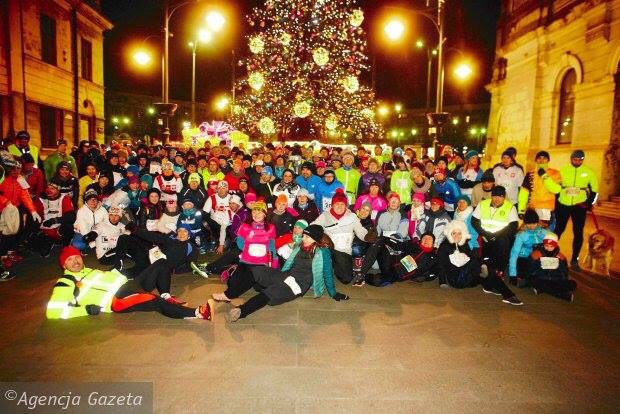
Bieg pod Gwiazdami/Run under the Stars, 2.01.2016, wonderful running event in Piotrkowska Street in Lodz, source Gazeta.pl

A conflict and a quest for solutions

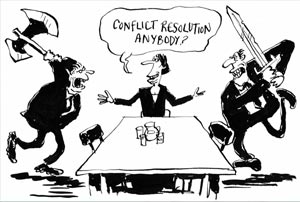
Dealing for years with a topic of public participation in urban planning I had lots of opportunities both to mall over and to discuss the nature of conflict. My own experience tells me that when the parties stick firmly to their opposite goals with no slightest trial to communicate and much hatred, then the situation will not be solved. Looking for solutions needs communication and dialog, which must assume some efforts on both conflicted sides. There is little good will in people who by definition assume that only their stand point is right and that their adversaries have nothing to propose. Usually such attitudes are simply fake and people who demonstrate them either belong to a party/ social group where fight is the main goal, or are simply paid for spreading their philosophy/ their views, etc.

conflict-slaneconz
Source of cartoon by Chris Slane: www.slane.co.nz

There is however one situation when a person becomes extremely hard to discuss with and make understand, this is the one of contesting somebody’s lifestyle. The norms which are behind the ways of life, especially when a person acts in a certain way every day, follows certain patters, become something as a second nature. The power of habit is enormous, the features which are present in people’s life persist, even when a person changes the environment and reasons for performing certain activities. The fashion plays a role here, next to the social norms present in a given society. A fear may be a part of a mechanism enforcing changes, however they would be short term in such a case, and easily rejected when the cause of fear disappears.

On the other hand, changes happen easier when groups involved feel at ease, obviously the situation opposite to the one of a conflict.  Hatred mixed with differences leads to war rather than to positive transformation. When we feel comfortable a hint from a friend and lack of pressure may help a lot, similarly as good example.

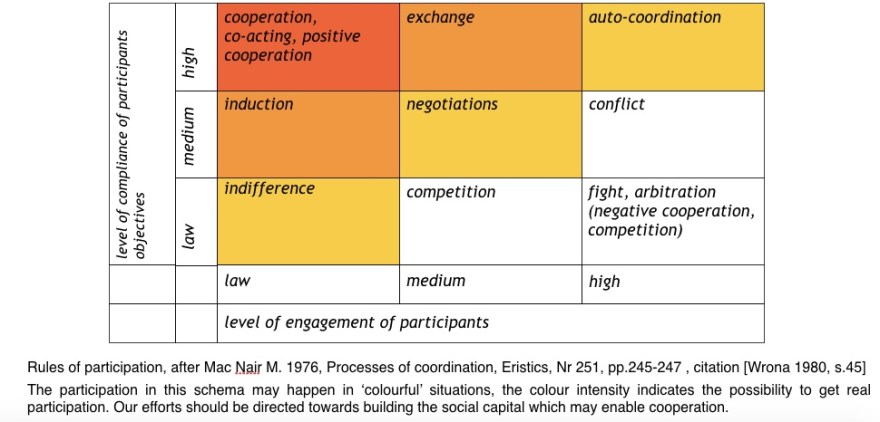
The figure below illustrates an interdependence between the compliance of goals of two parties and the level of engagement of participants. According to this theory it may be extremely difficult to achieve any kind of consensus when the engagement is high and goals are contradictory. Contrary when goals are similar and engagement remains at lower levels the chances for cooperation are much higher. Anyway the situation when goals are utterly different is rare, usually the option that both parties want something which may finally occur similar exists. Then it depends mostly on their rationality to calm down some of emotions and to look for the possibility to negotiate. War and conflict is useless, and looking at some of my friends, who used to share views and now suddenly insult each other only because of some abstract and distant political issues is kind of a shame.

chart

On the other hand lack of resistance when a social group is attacked would cause their dilution, the refusal to accept different norms should not however take forms of hatred, as this will not help solve the problem. They say compromise is good for ‘softies’, but it does not change the situation that hatred serves no one. The mutual respect which is necessary to start solving conflict may be a necessary condition and this is why the demonstration of force happens from time to time and may be sometimes required. But still hate is just a blind path, please my dear friends, have a little sense of humour, acquire some modesty and try to communicate. Even if I am talking of utopia here, still we Polish have some round table traditions, lets make an assumption we are just good at solving things out and having this agreed would be already the very first step towards “a good change”.

The Fifth Commandment

As BBC informs Polish Foreign Minister Witold Waszczykowski told German newspaper Bild on Sunday“The previous government carried out a leftist programme there (in the public media). It was as if the world was according to a Marxist model which has to automatically develop in one direction only – a new mixture of cultures and races, a world made up of cyclists and vegetarians who only use renewable energy and fight all forms of religion.”

Behind cycling, vegetarianism, ecology there is a basic care for human health. The understanding should precede implementation of values. This understanding comes together with learning, also with learning about religion. Why the fifth commandment is so hard to accept by the Catholic society? Second grade children, preparing for their First Communion are taught what the Fifth Commandment means, it’s not only about killing directly, it is also about care for health, of a given person and her peers, other people. They are taught this here, in Poland during their religion classes. This is part of this religion, I have been taught the same several years ago.

This is kind of very hard to figure out and accept, for me who has been brought up on traditional Christian values, this lack of understanding of fundamental rules behind Christian faith. The care for nature, for trees, for air, for environment, the respect towards other people life and good-being. Why is all this suddenly wrong? And yet in the name of the said “tradition”. What is traditional in cutting down trees, the plans of which have been just recently announced for Puszcza Białowieska? Why smog and environmental pollution, which are the consequences of cities stacked with overwhelming cars’ presence, should suddenly be understood as traditional Polish values?

Why building in the areas endangered with flood has suddenly become available, while it is obviously unethical and dangerous for human beings in case of inundation? Because flats may become cheapper? For whom and for how long? Vast, unbuilt river valleys are necessary to protect neighbouring settlements from floods. When constructing there, backwater from rain sewage has no place to gather and deluge gets further, produces more damage. This is one of the easiest rules in urban planning, the one which saves a lot of money if properly understood, e.g., successful planning in Bogota, started with creation of urban parks in all the river valleys.

On the other hand conciseness being one of the major features of sustainable and efficient towns, it requires proper care for human’s environment. Being close reduces travels and costs of building and maintenance of infrastructure. It enables walking and cycling, which do not produce fumes and keep people healthy. Bicycles are cheap, so is walking – our conservative party declares care for pourer people. What has the requirement to own a car to do with these announcements? Cycling and pedestrian traffic should be developed not limited, there are many people in Poland who cannot afford a car and its maintenance. Not mentioning that concise and pedestrian and bike friendly cities are also much cheapper in longer term. They require much less cleaning, they are smaller, there is less infrastructure to maintain and it is better served, the everyday car’s influx not leaving its damaging effects. They continue the historic sites, do not move as in a nomad society, leaving spoilt place behind because they got unusable and polluted.

Why the development of renewable energy became a synonyms of lack of values of secular, Western world? While it is absolutely the opposite, this is the expression of care for our planet, the Earth.  This is just absurd. Why the words of a Head of the Catholic Church mean nothing to politicians who say they represent a party who relies on Christian values? Those are not the recent statements only, they have been an important part of the Church teaching for a while – compare Encyclicals Centesimus Annus, chapter 4 or Sollicitudo Rei Socialis, chapter 5 by John Paul the Second.

It looks like the power of lifestyle, of everyday habit, outruns the thinking, rationality and understanding. The custom is stronger than values, than religion, than anything. The origin of these customs having little with Polish tradition, have polluting cars always being there? Did not Queen Bona bring vegetables from Italy here already in the sixteenth century and is there anything wrong about healthy diet? Are Poles not world famous for their hospitality, always welcoming foreigners, even when they were forbidden elsewhere? Have we Polish not loved our beautiful forests or landscape, having so many beautiful poems on them? Is the stupid recent custom and temporary conflict stronger than values, than religion, than anything. Is this really true? An extremely sad conclusion it is.